


curriculum
design
Avanti House Secondary School is a dynamic, inclusive and diverse community school with a unique and holistic curriculum offer, rooted in our collective purpose as a trust: to create spiritually compassionate changemakers.

Our curriculum immerses students in the powerful knowledge and intellectual conversations of a broad range of subject disciplines, equipping them to make sense of the world around them and to excel in a range of fields. By nurturing students’ sense of identity and perspective, purpose and connection, it creates capacity for informed and conscientious collaboration now and in the future.
Our core values, core principles and golden threads of connection run throughout the curriculum, ensuring that educational excellence, character formation and spiritual insight are equally developed.
For the first three years (Years 7, 8 and 9), students follow a broad and challenging academic curriculum, including the following subjects:

The Art Department at Avanti House School is committed to delivering an inclusive, engaging, and challenging curriculum that reflects the needs, interests, and potential of every pupil. We believe that every student should have the opportunity to unlock their creative voice and feel empowered through artistic expression. Our curriculum is designed to inspire, support, and stretch learners of all abilities, fostering confidence and curiosity.
We promote personal growth and wellbeing through a subject that teaches vital life and transferable skills across a diverse range of materials, techniques, and processes. By nurturing an appreciation for the visual arts and encouraging critical thinking, we aim to develop reflective, enthusiastic, and successful young artists who are equipped for the future both within and beyond the classroom.

Subject lead
Ms Aarti DevaliaHead of Art & Design
EDUCATIONAL EXCELLENCE
Striving for the highest standards in knowledge, skills, and creativity.
How we develop this through Art:
-
Pupils gain deep knowledge of artists, movements, and contexts from different cultures and time periods.
-
They are taught to observe closely, analyse critically, and apply techniques with precision across a range of traditional and digital media.
-
Structured tasks encourage independent thinking, problem-solving, and creative risk-taking, all essential for high achievement.
-
Projects are designed with scaffolding for all abilities, ensuring challenge and progression for every learner.
-
Opportunities for refinement, annotation, and self-assessment promote reflection and a pursuit of excellence.
CHARACTER FORMATION
Building resilience, responsibility, empathy, and self-awareness.
How we develop this through Art:
-
Art lessons promote resilience, as students learn to persist through creative challenges and accept feedback to improve.
-
Students reflect on identity, culture, and diversity, fostering empathy and an understanding of others.
-
Working in sketchbooks cultivates personal responsibility for development over time.
-
Collaborative critiques and peer assessments encourage respectful dialogue and positive communication.
-
Art is a safe space to explore personal experiences and viewpoints, helping shape confidence and integrity.
SPIRITUAL INSIGHT
Encouraging wonder, self-reflection, and a deeper connection with the world.
How we develop this through Art:
-
Through visual storytelling and symbolism, students explore meaning, belief, and the human condition.
-
Art encourages a sense of awe and appreciation for nature, beauty, and creativity — both their own and others’.
-
Projects often include themes of life, death, renewal, peace, and connection, offering moments for personal reflection.
-
Students learn that art can be a form of meditation, expression, and spiritual exploration.
CURRICULUM MAP
Click here
-

Curriculum Intent
The intent of the OCR A-Level Computer Science curriculum is to develop students' understanding and application of core principles and concepts in computer science. It aims to equip students with both theoretical knowledge and practical skills, fostering computational thinking, problem-solving abilities, and an understanding of computer systems and networks. The curriculum is designed to prepare students for higher education or careers in computer science and related fields by focusing on programming, algorithms, data structures, and the ethical, legal, and social impacts of digital technology.
Vision Statement
The vision of the OCR A-Level Computer Science curriculum is to inspire and empower students to become innovative thinkers and skilled practitioners in the digital world. By fostering curiosity, creativity, and resilience, the curriculum seeks to cultivate a new generation of computer scientists who are capable of using technology to solve complex problems, drive innovation, and contribute positively to society. The program emphasizes not only technical competence but also ethical considerations and the ability to think critically about the role of technology in our evolving world.
Subject lead
Amita Vaghela
Head of Computer Science
EDUCATIONAL EXCELLENCE
-
Promote a Growth Mindset: students to view challenges and mistakes as opportunities for learning. Fostering resilience by promoting a culture where experimentation, persistence, and curiosity are valued.
-
Real-World Problem Solving: Involving students in projects that require them to solve real-world problems, such as developing apps for social good or creating algorithms that optimize resources in underprivileged communities. This helps them see the relevance of their skills and motivates them to excel.
-
Collaborative Learning: Facilitating group work, peer programming, and team-based projects. These activities help students develop communication skills, teamwork, and the ability to learn from others.
-
Mentorship Programs: Connecting students with industry professionals, university researchers, or alumni who can provide guidance, share experiences, and offer feedback on academic and career paths.
CHARACTER FORMATION
-
Ethics in Technology: Integrating lessons on the ethical implications of technology use, such as data privacy, cybersecurity, artificial intelligence ethics, and the digital divide. Encouraging students to think critically about the societal impact of their work.
-
Service-Oriented Projects: Encouraging projects that serve the community, such as creating software for non-profits, developing accessibility tools, or using technology to raise awareness of social issues. This promotes empathy, civic responsibility, and compassion.
-
Integrity and Honesty: Emphasizing the importance of integrity in coding and data handling. Discussing the consequences of plagiarism, data breaches, and unethical hacking, fostering a culture of honesty and trustworthiness.
-
Peer Support and Inclusion: Promoting an inclusive classroom environment where all students feel supported and encouraged, regardless of their background or skill level. This fosters humility, respect, and collaboration.
SPIRITUAL INSIGHT
-
Ethical Reflection: Encouraging students to reflect on the moral implications of their projects and technology in general. Discussing topics like the digital divide, AI ethics, and how technology can both serve and harm communities.
-
Value-Based Discussions: Facilitating discussions on the values associated with computer science, such as creativity, innovation, perseverance, and using skills for the greater good. Highlighting how these values align with spiritual principles like compassion, kindness, and humility.
-
Service Learning Opportunities: Combining computer science skills with service-oriented projects, such as creating websites for community organizations, developing educational tools for underfunded schools, or contributing to open-source projects that benefit society.
-
Spiritual and Ethical Coding: Encouraging students to consider how their code or technology can promote fairness, justice, and positive social impact. For example, a project might focus on creating tools that help underserved communities or promote environmental sustainability.
-
Encouraging Compassionate Peer Relationships: Developing a classroom culture where students support one another, share knowledge, and celebrate each other's successes. This creates an environment of kindness and mutual respect.
-
Value-Based Recognition: Recognising not just academic excellence but also acts of kindness, service, integrity, and teamwork in computer science classes or clubs. Awards or recognition programs can highlight the importance of these values.
-
Integrating Spiritual Themes in Learning: Providing opportunities for students to explore the deeper meaning of their studies. For example, discussions on questions like, "How can computer science be used to promote peace, justice, or community well-being?" or "What responsibilities do we have as creators and users of technology?"
CURRICULUM MAP
Click here
-

Vision - To instil a love of Dance and creative thinking, whilst inspiring self-confidence and respect for the Performing Arts.
Dance is an expressive and practical subject which develops respect between students as well as a respect for the performing arts. Dance is inclusive and allows students to take part creatively in a physical activity in a safe learning environment. The curriculum aims to prepare students for further study, developing a range of transferable skills including teamwork, communication and leadership.
Dance provides students with a form of meditation – the mind is nowhere else but focused on the movement. The curriculum encourages emotional and expressive growth, providing a powerful medium for self-expression and creativity.

Subject lead
Ms Katherine Cheng
EDUCATIONAL EXCELLENCE
The dance curriculum is carefully sequenced to develop performance ability, choreographic knowledge, and dance appreciation. Emphasis is placed on transferable skills such as teamwork, communication, and leadership—preparing students for further study in dance, performing arts as well as many other subject areas.
At Key Stage 3, students engage with a rigorous and creative curriculum that develops core skills in technique, performance and choreography whilst also developing students’ appreciation of practitioners and processes.
As they progress, students can deepen their learning through the qualification of the BTEC Performing Arts (Dance Pathway). This course offers a comprehensive and practical education in the craft of dance-making—equipping learners with both the technical expertise and artistic insight necessary for success in the performing arts and beyond.
CHARACTER FORMATION
Dance plays a vital role in shaping students’ personal qualities. Through group choreography and performance experiences, learners build important traits such as empathy, perseverance, confidence, and self-reflection. The expressive nature of dance invites students to push boundaries creatively and to communicate emotions and narratives beyond words.
Exploring a variety of dance forms from multiple cultures broadens students’ worldviews and helps them develop respect for different backgrounds and experiences. Regular opportunities for feedback and self-assessment encourage a growth mindset, enabling students to embrace challenges and learn through trial and improvement.
SPIRITUAL INSIGHT
The dance curriculum encourages students to connect with their inner selves and develop a deeper awareness of the world around them. Through exploring meaningful movement and traditional dance forms, students engage with values such as compassion, integrity, and courage.
Dance encourages students to explore what is meaningful to them and how they connect with the world around them. Through movement and creative expression, students develop a deeper understanding of their own emotions, beliefs, and values. This process helps to build inner strength, resilience, and a strong sense of purpose. Dance also plays an important role within the school’s collective worship programme, where movement and expression are used to reflect on shared values and spiritual themes.
CURRICULUM MAP
Click here

Drama is a dynamic and inclusive subject that fosters empathy, imagination, and collaboration. It encourages students to explore different perspectives, building respect for others and for the craft of performance. Drama provides a safe and supportive environment where students can express themselves creatively and take intellectual and emotional risks.
The curriculum prepares students for further study by developing a wide range of transferable skills including confidence, communication, problem-solving, and teamwork. Through role play, character work, and performance, students learn to engage both their minds and emotions, enabling deeper understanding of themselves and the world around them through cross-curricular links to History, Technology, and Philosophy.
Drama, in the same way theatre does, offers a powerful outlet for self-expression and emotional growth. It enables students to channel their creativity, develop resilience, and gain a sense of achievement, making it an essential part of a well-rounded education. Theatre gives young people an opportunity to explore the world and expand their way of thinking.
Subject lead
Ms Tessa London
EDUCATIONAL EXCELLENCE
We cultivate educational excellence in Drama through a rich exploration of historical, cultural, and philosophical ideas rooted in the study of theatre. At Key Stage 3, students engage with a rigorous and creative curriculum that develops core performance skills in voice, movement, characterisation, and devising.
As they progress, students can deepen their learning through the BTEC course, which provides a comprehensive and practical education in the craft of theatre-making. This pathway equips students with both the technical expertise and the critical understanding necessary for success in The Performing Arts and beyond.
CHARACTER FORMATION
Drama is a powerful vehicle for personal growth. Through collaborative creation and performance, students develop empathy, resilience, confidence, and self-awareness.
We encourage them to take creative risks, reflect on diverse perspectives, and engage with complex human experiences. In doing so, Drama nurtures not only skilled performers, but compassionate, thoughtful, and socially responsible individuals.
SPIRITUAL INSIGHT
Drama helps students connect with deeper aspects of themselves and others. By exploring traditional stories, such as those of Lord Chaitanya, students learn dramatic techniques while reflecting values like kindness, honesty, and courage.
Through role-play, storytelling, and ensemble work, they develop focus, self-awareness, and a sense of connection beyond everyday life. Drama encourages students to think about what matters to them and how they relate to the world, helping to build inner strength and purpose.
CURRICULUM MAP
Click here

Design and Technology is an inspiring, rigorous and practical subject. Using creativity and imagination, pupils investigate, design, make and evaluate products and challenge themselves to solve real and relevant problems, within a variety of contexts, considering their own and others' needs, wants and values, using machinery and tools with the use of state-of-the-art technology.
Subject lead
Mr Adam Wyman
EDUCATIONAL EXCELLENCE
Creative Problem Solving DT nurtures critical and creative thinking, encouraging students to research, prototype, and evaluate. This supports mastery and innovation — key elements of excellence.
Practical Application of Knowledge Students integrate skills from maths, science, and computing, demonstrating inter-disciplinary learning with real-world relevance.
Resilience Through Iteration: The design process teaches students that failure is a step toward improvement. Pupils develop perseverance as they revise and refine their work.
High Standards and Craftsmanship DT promotes pride in presentation and attention to detail, reinforcing the Avanti value of striving for the highest personal standards.
CHARACTER FORMATION
Collaboration and Empathy Group projects require communication and compromise, fostering mutual respect and compassion.
Responsibility and Stewardship Pupils reflect on sustainable materials and ethical production, becoming conscious of their impact on the environment and society.
Service to Others Designing for real user needs (e.g. assistive devices or eco-friendly products) instils a sense of purpose and service, in line with the Avanti Way's emphasis on servant-leadership.
SPIRITUAL INSIGHT
Mindful Creation DT encourages mindful engagement — being present in the process of designing and making — aligning with meditative practices and self-awareness.
Connection with Nature and Materials Through the study of materials, sustainability, and biomimicry, students deepen their appreciation for the natural world, resonating with the Avanti value of seeing the divine in all things.
Reflection and Purpose DT invites pupils to consider how design can enhance human flourishing, prompting reflective questioning about purpose, values, and the greater good.
CURRICULUM MAP
Click here

To nurture well-rounded, well-read and well-spoken students who are able to read reflectively, think independently, communicate coherently and express themselves eloquently.
Our English curriculum is rooted in the belief that education should help students find meaning in their lives through language. We aim to nurture well-rounded, well-read, and well-spoken individuals who can read reflectively, think independently, and communicate with confidence and clarity. Through the development of reading, writing, and oracy skills, students are encouraged to expand their vocabulary, articulate their ideas, and engage critically with the world around them.
In English, students learn to wield language as a powerful tool, for self-expression, persuasion, and empathy. We equip them with the ability to challenge perspectives, understand historical and contemporary contexts, and influence others through thoughtful and effective communication. By fostering active listening and emotional intelligence, our curriculum ensures that students can use English purposefully across a range of contexts and contribute meaningfully to society.

Subject lead
Ms Meera Kalan
EDUCATIONAL EXCELLENCE
The study of English fosters educational excellence by cultivating students’ ability to read critically, write with precision, and communicate with eloquence. Through exposure to a wide range of texts, students develop the analytical and interpretive skills needed to navigate complex ideas and perspectives. English encourages intellectual curiosity and independent thinking, as students interrogate writers’ intentions, explore the power of language, and craft their own responses with clarity and originality. Our curriculum equips students with a mastery of language that empowers them not only to succeed academically, but to engage meaningfully in the wider world as thoughtful, articulate individuals.
CHARACTER FORMATION
English plays a vital role in shaping character by offering students a lens through which to understand human behaviour, moral dilemmas, and emotional resilience. Through literature, students encounter characters who face injustice, show compassion, exercise courage, or struggle with ethical decisions, opening up space for dialogue around empathy, integrity, and self-discipline. By reflecting on the experiences of others and expressing their own viewpoints with respect and nuance, students develop emotional literacy and interpersonal sensitivity. The discipline of English provides frequent opportunities to practise active listening, respectful debate, and open-mindedness, which are essential to forming healthy relationships and making responsible choices.
SPIRITUAL INSIGHT
English nurtures spiritual insight by inviting students to reflect on the human condition, explore questions of purpose, and engage with diverse worldviews. Many texts studied in English explore themes such as identity, belonging, justice, and transformation - encouraging students to consider what it means to live a meaningful life. Whether through the introspective soliloquies of Shakespeare, the reflective poetry of world traditions, or the voices of marginalised writers, students are encouraged to pause, question, and connect deeply with both themselves and others. This process of inner exploration through language enables students to cultivate humility, gratitude, and a sense of interconnectedness with the world around them.
CURRICULUM MAP
Click here

Curriculum, pupils learn to cook a repertoire of predominantly savoury dishes (including plant-based options), develop competence in a range of cooking techniques, and understand the source, seasonality, and characteristics of a broad range of ingredients.
Rooted in the Avanti Way, the curriculum fosters educational excellence through high expectations and rigorous skill development; character formation through resilience, gratitude, and empathy in cooking for self and others; and spiritual insight through mindful engagement with food, sustainability, and global food systems.
By the end of KS3, pupils are confident, capable, and reflective cooks who understand the wider impact of their food choices and embody Avanti virtues in their approach to cooking, nutrition, and wellbeing.
Subject lead
Ms Neelima Jagtap
EDUCATIONAL EXCELLENCE
The Food Technology curriculum is designed to deliver educational excellence by equipping pupils with both theoretical knowledge and practical skills grounded in the National Curriculum. Pupils develop a secure understanding of nutrition, health, food science, and culinary techniques through a carefully sequenced curriculum that builds knowledge over time.
Lessons are ambitious and inclusive, promoting high standards of literacy, numeracy, and scientific enquiry within the context of food preparation and nutrition. Through regular practical tasks, projects, and reflective evaluations, pupils are encouraged to apply their learning critically and creatively.
Assessment is purposeful and informs progression, ensuring that all learners, regardless of starting point, develop the competence and confidence to thrive both academically and in life.
CHARACTER FORMATION
Food Technology offers rich opportunities for pupils to cultivate positive character traits that align with the Avanti Way. Through collaborative cooking tasks and group-based practical work, pupils develop resilience, patience, and a strong sense of responsibility.
The subject naturally fosters teamwork, time management, and attention to detail, skills that prepare pupils for real-world situations.
Pupils are taught to take pride in their work, to persevere when faced with challenges, and to reflect meaningfully on their successes and areas for improvement. Importantly, the curriculum encourages gratitude and humility by highlighting the social, environmental, and ethical implications of food choices, enabling pupils to become more mindful and compassionate individuals.
SPIRITUAL INSIGHT
In line with the Avanti Way’s emphasis on spiritual insight, the Food Technology curriculum encourages pupils to develop a deeper appreciation for the origins, preparation, and consumption of food.
Grounded in the school's dharmic values, all recipes are vegetarian or plant-based, supporting pupils to consider how food choices impact their well-being, the planet, and all living beings. Pupils are given time to reflect on their personal values and beliefs about food, as well as those of others, fostering tolerance, respect, and self-awareness.
Through meaningful discussions about sustainability, food waste, and mindful eating, pupils are invited to see food not just as sustenance, but as an expression of care, connection, and conscious living.
CURRICULUM MAP
Click here

For all students to acquire a sound knowledge base of both human and physical Geography. To develop an analytical, empathetic and evaluative understanding of the world through discussion and written responses on case studies and topical issues.
To offer an up to date, relevant & issues based curriculum emphasising sustainability. The programme is designed to engender curiosity & wonder about the world; we want students to be able to show the courage to apply knowledge & conceptual understanding to new settings & through enquiry & problem solving activities prepare for life in the 21st C.
Our aim is that students think geographically about the changing world, showing the self-discipline to become critical learners & knowledgeable, skilful, integral, responsible & responsive citizens who show respect for and care about the future of our planet.
Subject lead
Mr Richard Driscoll
Head of Geography
EDUCATIONAL EXCELLENCE
Is developed via rich, coherent content curriculum design and content, embedding big geographical ideas such as sustainability, stretching and challenging pupils, offering consistently high-quality teaching, fieldwork, real world application and deep thinking to foster a love of geography.
CHARACTER FORMATION
Is developed via fostering empathy & global awareness, encouraging responsibility & stewardship, promoting resilience and perseverance, building critical thinking and integrity, instilling a sense of justice and fairness, encouraging collaboration and communication and cultivating a sense of place and identity.
SPIRITUAL INSIGHT
Developing spiritual insight in geography involves encouraging students to reflect on deeper questions about human relationships with the Earth, values, purpose, and a sense of wonder about the natural and human world.
CURRICULUM MAP
Click here

Students are justifiably curious about their place in the world and how History has shaped the present. The study of history is vital to anyone with a desire to understand current trends in politics, economics, and society in general.
History at Avanti aims to encourage our children to think about the world they live in. Tackling the ‘big’ questions relating to society, religion, politics, and ethics. There is also a big push on the skills that the children learn which will prepare them in the short term for their onward KS4 courses in Humanities and in the long term for lifelong skills valued in education and employment. Examples of which are the evaluation of sources and secondary interpretations, constructing arguments and showing debate in essays with evaluative and analytical comments.
History empowers young people to take charge of the narrative by critically examining the past, understanding injustice and progress, and using that knowledge to become compassionate changemakers who shape a more just and inclusive future.

Subject lead
Mr Vikash Vadher
EDUCATIONAL EXCELLENCE
In History, students at Avanti House develop critical thinking, analytical skills, and a deep understanding of the complexities of the past, preparing them for academic and lifelong success. The curriculum challenges students to engage with diverse perspectives and historical interpretations, fostering intellectual curiosity and academic rigour.
CHARACTER FORMATION
By studying the actions and consequences of individuals and societies, History encourages students to reflect on values such as justice, responsibility, and empathy. Lessons explore moral dilemmas and human experiences, helping students to build integrity and a sense of ethical awareness.
SPIRITUAL INSIGHT
History promotes spiritual insight by inviting students to consider profound questions about human purpose, identity, and our place in the world. Through learning about different cultures, beliefs, and civilisations, students cultivate respect and deeper understanding of the spiritual and cultural heritage of humanity.
CURRICULUM MAP
Click here

The Avanti Maths department aims to instil a love of mathematics by developing students' conceptual understanding and fluency through varied practice and increasingly complex problems.
We encourage reasoning, exploration of mathematical connections, and justification using precise language. Our goal is to ignite intellectual curiosity and prepare students for real life and future employment by challenging them to solve both routine and complex problems and apply mathematics in real-world contexts.
Subject lead
Ms Priti Gorsia
Ms Saima Ali
To integrate The Avanti Way into the KS4 Maths curriculum, we are focussing on:
EDUCATIONAL EXCELLENCE
By fostering deep understanding, problem-solving, and personalized learning.
CHARACTER FORMATION
Encouraging resilience, a growth mindset, collaboration, and integrity in tasks.
SPIRITUAL INSIGHT
By highlighting the beauty of maths, using mindfulness for focus, and exploring the ethical impact of mathematical applications.
CURRICULUM MAP
Click here

The KS3 MFL (Modern Foreign Languages) course provides a structured pathway, starting with minimal knowledge of French and Spanish, and helping you build confidence by Year 9 to be fully prepared for a GCSE Language course. It develops all four key language skills, covering engaging topics such as family, friends, school, and holidays.
Pursuing a language at KS3 and continuing to GCSE not only broadens your global perspective, but also enhances your understanding of grammar and accuracy in your native language. It significantly boosts your employability by opening doors to diverse career opportunities in an increasingly global job market.
Academically, a language GCSE contributes towards the English Baccalaureate, giving you a competitive advantage when applying to top universities. On a personal level, it expands your ability to connect with people from different cultures, enhancing both your communication skills and appreciation of the wider world.
Subject lead
Mr Neetu Sadhwani
Head of MFL & SpanishMs Christine Parker
Head of French
EDUCATIONAL EXCELLENCE
We provide high-quality language instruction, helping students of all abilities excel in speaking, listening, reading, and writing by creating a supportive and inclusive learning environment. We emphasize accuracy, fluency, and cultural understanding through immersive activities, real-life contexts, and modern technologies. Our curriculum fosters confidence and fluency while deepening cultural understanding.
CHARACTER FORMATION
Through language learning, students develop resilience and teamwork through collaboration through group projects, debates, and dialogues. They gain respect for different cultures and grow as compassionate, open-minded individuals. This fosters an appreciation for different worldviews and encourages students to become global citizens.
SPIRITUAL INSIGHT
We encourage reflection on personal values and the role of language in connecting people. Students explore diverse worldviews, fostering a deeper appreciation of how language connects people and builds bridges across cultures.
This approach prepares students for academic success, personal growth, and a strong sense of global responsibility.
CURRICULUM MAP
Spanish - Click here
French - Click here

Music is an exciting and rewarding subject. It brings together intellect and feeling and enables personal expression, reflection and emotional development. Students have the opportunity to perform, as well as create their own work using a wide range of instruments and technologies.
Through key stage 3 students explore a variety of topics, from Film Music to African Drumming and Mantra Music to Rap & Hip Hop. Through studying these topics, students will develop their performance, composition and appraising skills. Music is a subject which requires perseverance and dedication, and this is a reason it is a subject so highly valued in the academic world.

Subject lead
Mr Shane Griffiths
Head of MusicEDUCATIONAL EXCELLENCE
The music curriculum at Avanti House nurtures deep disciplinary understanding by systematically developing the core musical pillars of performance, composition and appraisal. Students engage with a diverse, ambitious body of knowledge including Film Music, African Drumming, Mantra Music and Rap & Hip Hop, enabling them to master key concepts, build technical fluency and apply their learning across a range of musical traditions. High expectations for practice, perseverance and refinement mirror the academic rigour expected across the school. Through structured modelling, deliberate rehearsal and opportunities to create original work using both instruments and technology, students learn to think and work like musicians, securing strong foundations for further study.
CHARACTER FORMATION
Music provides rich opportunities for students to develop resilience, discipline and teamwork. Regular performance builds confidence and encourages students to embrace challenge, respond to feedback and take pride in incremental improvement. Collaborative activities such as ensemble performance, group composition and peer critique promote empathy, active listening and shared responsibility. The curriculum’s breadth invites students to appreciate cultures beyond their own, strengthening respect, curiosity and open-mindedness. By sustaining effort through demanding rehearsal and creative processes, students develop habits of dedication and self-motivation that transfer across the wider curriculum.
SPIRITUAL INSIGHT
Music offers a unique space for reflection, self-expression and connection. The curriculum invites students to explore sound as a vehicle for emotion, meaning and identity, enabling them to understand themselves and others more deeply. Encounters with traditions such as Mantra Music foster an appreciation of stillness, intention and contemplative practice, aligning with the Avanti Way’s emphasis on inner growth. Through creating and experiencing music, students learn to recognise beauty, express gratitude and cultivate a sense of wonder, nurturing spiritual awareness in a way that is inclusive and accessible to all.
CURRICULUM MAP
Click here

The intent of PE within the curriculum at Avanti House School is to develop a lifelong appreciation for participation in physical activity in coaching, spectating and physical literacy by showing fortitude, respect, and courage.
Subject lead
Mr Joe Corless
Ms Christina De-Luca
EDUCATIONAL EXCELLENCE
In Years 7 to 9, we focus on learning and applying a range of skills in different scenarios and sports. Incorporating TGFU (Teaching Games for Understanding) we create strong foundations through a diverse curriculum. Our research-informed approach enables our effective curriculum to embed key skills, including:
-
The Four Strands of Physical Literacy: Physical, Cognitive, Social and Emotional Development;
-
Decision Making;
-
Tactical Awareness
CHARACTER FORMATION
Through the My Personal Best: Character Education Model from Youth Sport Trust, we are able to foster strong character development across a range of sports. From mapping each sport to a different character ‘skill’, students are required to reflect on when they are learning and developing each skill. Some of these skills are in line with the Avanti virtues such as respect, courage, self-discipline, empathy, integrity and gratitude. Some extend further beyond to help our children develop as well rounded individuals, for example resilience, decision making and collaboration.
SPIRITUAL INSIGHT
-
Fundamentally promoting “Healthy body, Healthy mind” through different sports and yoga.
-
Humility through sport- respect .
-
Trying different sports and strengths through different roles of self-discovery.
-
Gratitude for the body, acknowledging the sacredness of how the body (heart) works.
CURRICULUM MAP
Click here
-

Our psychology department aims to enlighten and nurture our students’ intellectual curiosity of the human mind, and human behaviour, not only of themselves, in result developing introspective reflection, but also of those around them in society.
Our students will leave the two-year course with a greater understanding of what it means to be human, a greater degree of empathy and a compassionate eye; they will have an increased sense of social responsibility, cultural sensitivity, and tolerance of diversity, contributing to the betterment of a global society.
As a department, we are committed to:
-
Delivering engaging, high-quality lessons
-
Encouraging independent and reflective learners
-
Creating a safe space to explore sensitive issues respectfully
-
Promoting mental health awareness and ethical thinking
Subject lead
Ms Chelsea Omer-St-Pier
EDUCATIONAL EXCELLENCE
Psychology offers a challenging and inspiring curriculum that nurtures curiosity about the mind, behaviour, and human experience. Students are encouraged to ask big questions about the brain, relationships, and society—developing reflective, analytical skills that go beyond the classroom. Topics like memory and biopsychology promote self-awareness and a deeper understanding of learning, while the subject as a whole equips students with independent thinking and a lifelong passion for discovery. This helps nurture their unique gifts and empowers them to contribute meaningfully to the world.
CHARACTER FORMATION
Psychology encourages self-reflection, critical thinking, and personal growth. Through topics like social influence and obedience, students explore how to act with integrity and challenge injustice. Behaviourist approaches promote self-discipline and perseverance, while studies of attachment and mental health foster empathy and care for others. Psychology helps students understand themselves and those around them, developing virtues that support positive action and a shared sense of responsibility within a wider community.
SPIRITUAL INSIGHT
Psychology helps students explore who they are, how they think, and how they relate to others. Studying attachment highlights the importance of emotional bonds and early relationships, while cognitive psychology fosters self-awareness and encourages reflection on thought patterns. The subject invites students to look beyond surface-level identities such as background, appearance, or beliefs, and instead view themselves and others with greater compassion and depth. In doing so, Psychology supports a meaningful journey of self-discovery and a growing sense of connection to the wider world.
CURRICULUM MAP
Click here
-
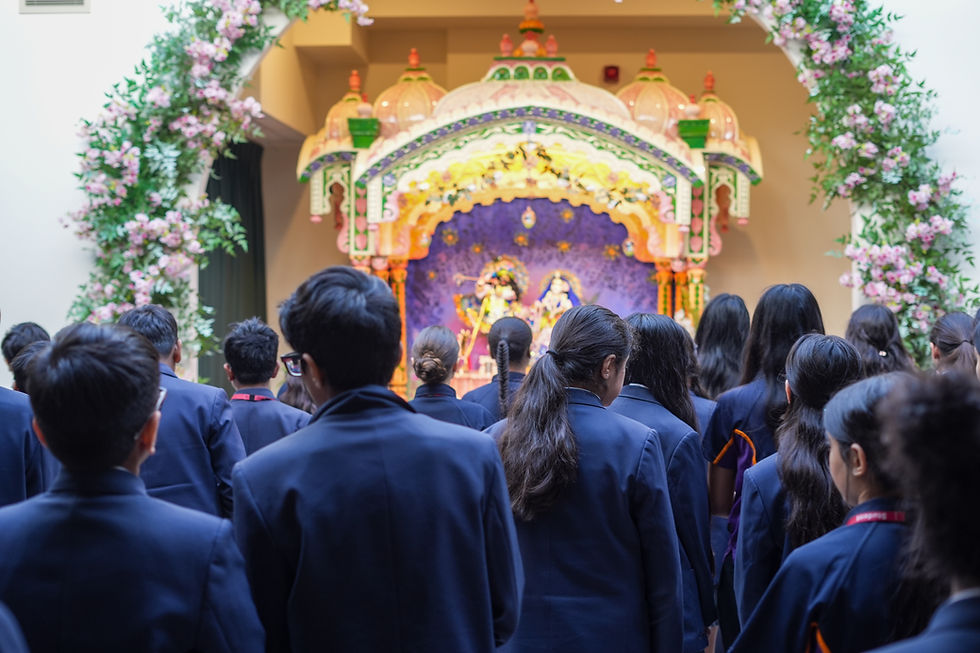
The Avanti PRE curriculum inspires spiritually compassionate changemakers through a horizon-expanding experience. Deepening a rich knowledge about diverse religious and non-religious worldviews, we engage young people to ignite their curiosity, develop critical thinking and embrace diversities.
Rooted in the Avanti Way, the curriculum weaves together philosophy, theology, religious exploration and ethical discourse in contemporary social contexts and faith nurture in our faith schools. We cultivate memorable experiences that engage open-hearted dialogue, strengthen spiritual insight and develop a reflective sense of self.
Subject lead
Ms Meera Agarwal
Head of PRE

PSHE is central to Avanti’s mission to educate the whole person. PHSE is implemented as part of Avanti’s holistic approach to education which seeks to form- as well as inform- young people in preparation for adult life.
Journey through the years

Subject lead
Ms Dhruti Parshotam
EDUCATIONAL EXCELLENCE
Our PSHE curriculum develops the knowledge and skills students need to navigate an increasingly complex world with confidence. Lessons are carefully sequenced from Key Stage 3 to Key Stage 5 so that students build deep understanding in areas such as physical and mental health, relationships, financial literacy, online safety and citizenship. We draw on high-quality evidence, national guidance and real-world case studies to ensure the curriculum is relevant and academically robust. Students learn to analyse information, think critically, communicate clearly and make informed decisions, habits that support success across all subjects and beyond school.
CHARACTER FORMATION
PSHE plays a central role in shaping the personal qualities that help students flourish as compassionate, resilient and responsible individuals. Through guided discussion, reflection and collaboration, students learn to manage emotions, build healthy relationships, resolve conflict and demonstrate empathy. Units on equality, diversity, digital responsibility and community engagement help students understand their place in society and the impact of their choices. Our curriculum encourages students to put values into action, showing integrity, kindness and perseverance in both their learning and daily life.
SPIRITUAL INSIGHT
The Avanti Way emphasises meaningful reflection and an appreciation of the deeper dimensions of life. In PSHE, students develop the ability to pause, think and understand themselves more fully. They explore wellbeing, identity and purpose in a way that encourages insight rather than instruction. Mindfulness, reflective practices and opportunities for thoughtful dialogue help students recognise their own strengths, aspirations and inner resources. By nurturing self-awareness and thoughtful decision-making, PSHE supports students to grow with clarity, balance and a sense of connection with others.
CURRICULUM MAP
Click here

Avanti exists to help each person become a well-rounded human being through intellectual, moral, and spiritual growth, and so make the world a better place.
One of our Core Principles is: we are unique spiritual beings with incredible potential, and we achieve our full potential by discovering and nurturing all parts of ourselves – intellectual, emotional, physical, and spiritual.
Sanskrit is taught at Avanti Trust Schools to allow each learner to be equipped with the core skills in reading and writing in the Devanagari script to discover spiritual and philosophical Ancient Indian texts through vigorous study of Sanskrit grammar and vocabulary.
Learners of Sanskrit are equipped with potential in discovering a variety of literature including the Vedas, Upaniṣaḍs, epics (Mahābhārata and Rāmāyaṇa) and poetry (Kālidāsa).
Through an understanding of the teachings from Sanskrit literature, the learner can nurture all parts of themselves be it intellectually, emotionally, physically or spiritually.
Subject lead
Mr Jay Laxhman
Head of Sanskrit
EDUCATIONAL EXCELLENCE
Learning Sanskrit develops precision, discipline, and deep analytical thinking. As one of the most structured and refined languages in the world, Sanskrit enhances pupils’ understanding of grammar, vocabulary, and linguistic logic. It cultivates memory, attention to detail, and cross linguistic skills that benefit wider academic achievement in both humanities and sciences.
CHARACTER FORMATION
Sanskrit texts introduce pupils to timeless ethical teachings and heroic role models drawn from India’s ancient epics. Through the study of stories such as the Rāmāyaṇa and Mahābhārata, pupils reflect on values such as integrity, humility, courage, and respect. Regular recitation builds confidence, patience, and inner discipline shaping not just the intellect, but the heart.
SPIRITUAL INSIGHT
At its core, Sanskrit is a sacred language that gives access to profound philosophical and spiritual wisdom. Pupils encounter ideas from the Vedas, Bhagavad Gītā, and other scriptures in their original form, encouraging reflection on identity, purpose, and the nature of consciousness. This fosters spiritual curiosity and a deeper connection to the Avanti Way’s principle of leading a spiritually meaningful life.
CURRICULUM MAP
Click here

The science department aims to impart scientific knowledge and develop pupils to reach their incredible potential by delivering an inclusive, engaging and challenging Science curriculum. We strive to foster a spirit of enquiry, nurture our pupils’ scientific curiosity and bring relevant real-world science into the classroom with the purpose of creating practically minded problem solvers that go on to make the world a better place.
Science intent
-
To develop a love of learning of science and about the world around them.
-
To provide an engaging and challenging learning environment.
-
To promote and develop the use of the scientific method of acquiring knowledge based on evidence to create practically minded problem solvers.
-
To foster a spirit of enquiry and nurture pupils’ scientific curiosity of the material world.
To offer unique perspectives of real-world science in the classroom that deeply enriches our vision, allowing them to make more informed choices in their daily lives to go on to make the world a better place.
Subject leads
Ms Shaveta Julka
Head of Science and Physics
Ms Karishma Thakker
Head of Biology
Mr Moiz Kapasi
Head of Chemistry
EDUCATIONAL EXCELLENCE
Teachers and students are inspired, motivated and joyful. Students and teachers demonstrate the ability and willingness to listen to others with an open mind, speaking sincerely and openly about scientific theories/concepts. Our high academic standards in a challenging holistic science curriculum creates a culture of intellectual curiosity. This curiosity cultivates independent, thoughtful and reflective students who are always keen to gain deeper insight into their interests within science but also not afraid to ask difficult questions.
CHARACTER FORMATION
Students demonstrate the Avanti virtues of respect, self-discipline, courage, integrity, empathy and gratitude. The transition from knowledge to wisdom creates a joint responsibility in the future of global perspectives, which facilitate transcultural proficiency. Students are encouraged to make conscientious choices and develop moral literacy and oracy through self-organized debate when discussing the ethics behind some of the topics covered in Science. Students are encouraged to make conscientious choices and display a reverence for all life, nature and the earth’s resources.
SPIRITUAL INSIGHT
Spirituality is the awakening of wisdom concerning how we affectively relate to each other and to the world. Science seeks to enlighten our minds, while spirituality seeks to awaken our hearts. The link in Science will come in many ways, in biology through studying the genetics that underpin human and plant life, in chemistry through seeing the impact tiny changes in an environment can have on the outcome of a chemical reaction and in physics through examining energy and its multiple forms and uses in different contexts. Assessments in science encourage students and staff to reflect on their journey of self-discovery within science and beyond.
CURRICULUM MAP
Click here
-

We introduce the ethical principles of yoga (yamas) and personal observances (niyamas) as guidelines for ethical living. We explore the eight limbs of yoga, including the physical (asana), ethical (yamas and niyamas), and meditative practices (dhyana and samadhi). Every lesson will be an opportunity for pupils to:
-
Centre themselves
-
Unite, body, breath and mind
-
Move spine and body in all directions
Subject lead
Ms Jodi Evans
EDUCATIONAL EXCELLENCE
The Key Stage 3 Yoga curriculum is designed to develop pupils’ physical literacy, mental focus, and understanding of the anatomy and philosophy underpinning yoga practice. Through progressive sequencing of postures (āsana), breathing techniques (prāṇāyāma), and mindfulness, pupils build strength, flexibility, and resilience. Lessons incorporate reflective practice and explicit instruction, ensuring all students can access and progress in both the practical and theoretical dimensions of yoga, in line with high standards of physical and personal education.
CHARACTER FORMATION
Yoga nurtures core virtues such as self-discipline, respect, empathy, and perseverance. The curriculum embeds the principles of yama and niyama—ethical guidelines from classical yoga philosophy—encouraging pupils to reflect on their actions, regulate emotions, and foster positive relationships. Pupils are regularly given opportunities to lead, collaborate, and apply these values in practical contexts, promoting a strong sense of personal responsibility and social integrity.
SPIRITUAL INSIGHT
Rooted in the spiritual traditions of the Avanti ethos, the yoga curriculum enables pupils to connect with their inner self and develop a deeper sense of purpose. Through meditation, stillness, and reflection, pupils cultivate mindfulness and awareness beyond the physical practice. These experiences offer space for introspection, helping students understand the interconnection between body, mind, and spirit, and supporting their journey towards self-realisation and inner peace.
CURRICULUM MAP
Click here
-
